Comfort Vs. Control
One major tenant of trauma-informed practice is ensuring all students feel safe. Trauma research makes it clear that unless a student feels safe, they will not be able to utilize their executive functioning in order to learn, set goals, and grow. While significant steps towards achieving a feeling of safety have been described thus far, we have implemented additional strategies to ensure that all stakeholders feel a sense of safety while on our campus.
Safety Culture
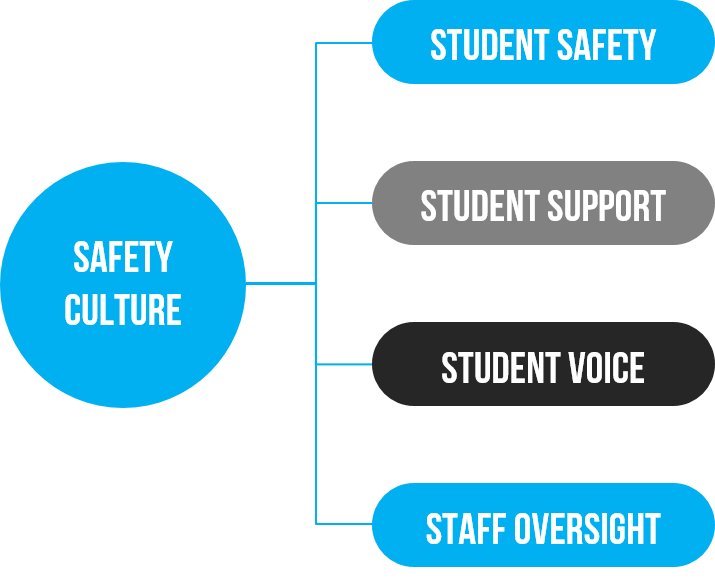
Interdepartmental Camera Systems


On-Site Safety Review (OSSR)
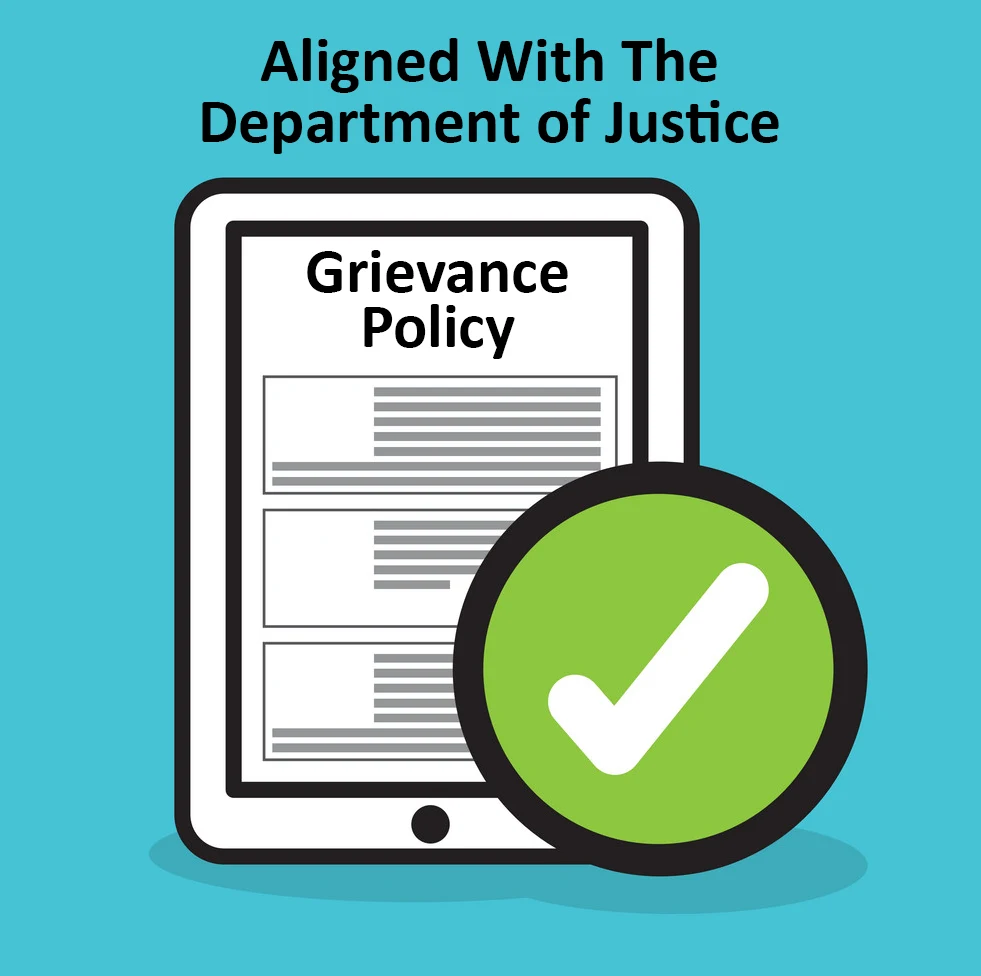
Department of Justice Aligned Grievance Process
To further ensure student safety, we have aligned our grievance policy with the Department of Justice. This process was designed to not only provide students and parents with an anonymous avenue to file a grievance, but also to give students a voice that extends outside of our organization. There are multiple grievance boxes on campus, providing students with opportunities to file a grievance in their own living space, or anonymously. Students and families are provided updates on actions taken to remedy issues and all stakeholders will be notified at the conclusion of the process. Grievances forms are also available through the Stakeholder App Portal.

Staff Oversight
Supporting Students in Crisis
If a student in crisis is unable to deescalate in the classroom “safe spaces,” he will have access to a counseling room, adjacent to each classroom. The Credentialed School Counselor will be available to provide counseling services to students during school hours, and will be available to support students who are in a state of crisis. Students will be able to safely deescalate with a credentialed counselor, who will ensure that student’s needs are being met and will help determine if the student needs a referral to a therapeutic counselor. Counselors will take any supportive referrals into consideration during the ITRP planning process, and will modify weekly goals as necessary to maximize student growth. This process also provides the student with an opportunity to build their critical thinking skills, as they assist in setting their own weekly goals.