The purpose of OSHA is to promote workplace safety/health and to make students more knowledgeable about workplace hazards and their rights. The training promotes safety culture through training. Content includes hazard recognition and avoidance, personal protective equipment, fall protection, hazard communication, routes of egress, fire prevention and fire safety and electrocution hazards. Students exit this program with an official OSHA card.
“CompTIA A+ certification validates the latest foundation-level knowledge and skills needed by today’s computer support professionals. It is the starting point for a career in the Information Technology industry. This international, vendor-neutral certification is accredited by the International Organization for Standards (ISO) and the American National Standards Institute (ANSI). CompTIA A+ certification proves competence in a technician’s ability to perform essential IT tasks such as installation, configuration, diagnosing, preventative maintenance, basic networking and security. It also confirms a technician’s understanding of customer service and communication skills needed to work with clients” (aplus-certification-training.com).
“Network+ ensures an IT professional has the knowledge and skills to:
ServSafe is a food and beverage safety training program administered by the National Restaurant Association. The course includes discussion on foodborne pathogens and biological toxins, contamination and food allergens. Food preparation, holding and serving guidelines, food safety management systems, sanitation for facilities and equipment and pest control are covered. This certification is needed in numerous food services careers and is a valuable addition to any student’s portfolio.
CTE Certification Levels:
There are five levels of certification. They are an orientation level certificate, a one hundred, two hundred, three hundred and four hundred level certificates. Each level of certificate is earned through a competency-based curriculum. Each student needs to show proficiency in each task in that level in order to earn a certificate. Upon discharge, those competencies are also generated in the form of a report, which students can use when seeking gainful employment.
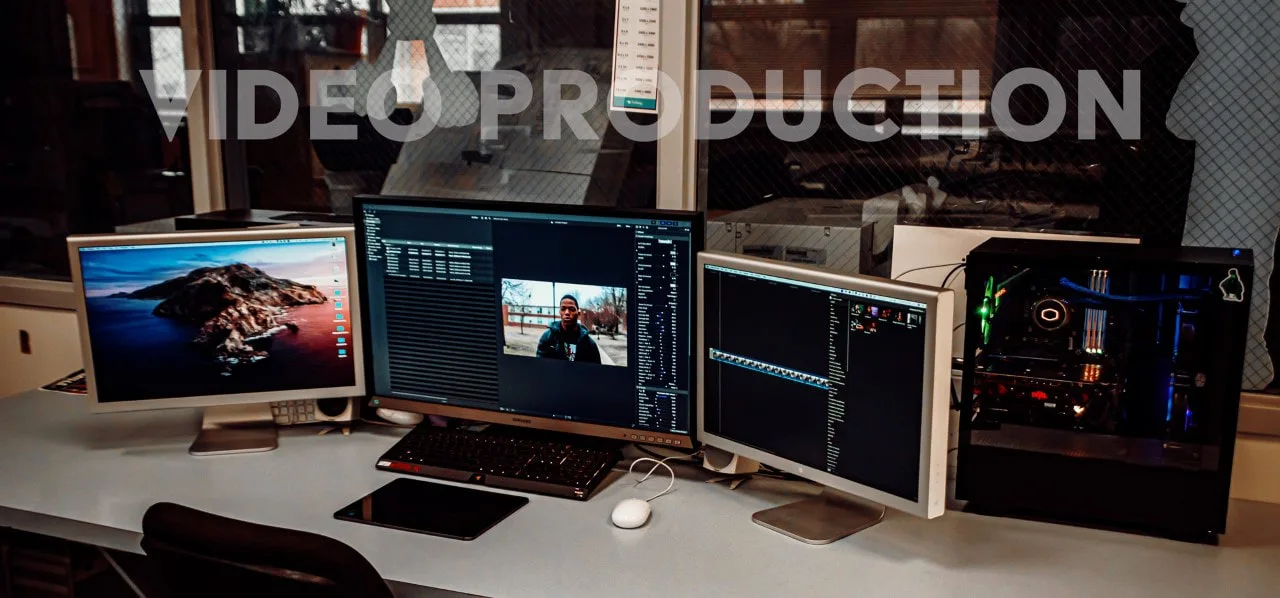
The purpose of this CTE is to provide students with the technical instruction and practical experiences for aspiring video and film makers in the production of film, video, and new media proavjects for business and entertainment. Students experience both the creative and technical aspects of filmmaking in conjunction with learning about historical and contemporary traditions and conventions.
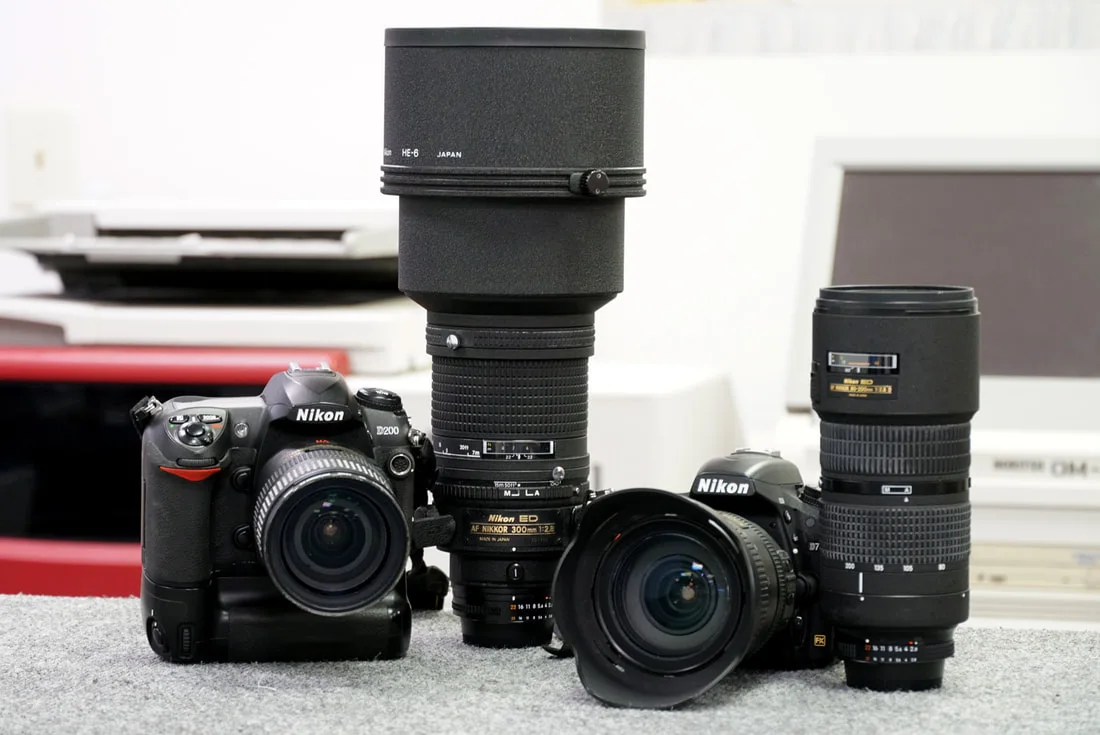
This CTE covers the use of the Digital SLR camera controls, including f/stops, shutter speeds, film speeds and the production of a correct exposure. Skills will include composition, criticism, lighting, and image editing software. Students will also learn the history and invention of photography. Assignments include creative use of the camera controls including depth of field and action motion, shadows and light, alternative camera angles, portraits, still life’s, and compositions based on the principles and elements of design. Students receive basic-to-advanced instruction, demonstration, and see samples of the desired outcomes, They will have shooting assignments, based on what they are learning and events that are occurring on campus.
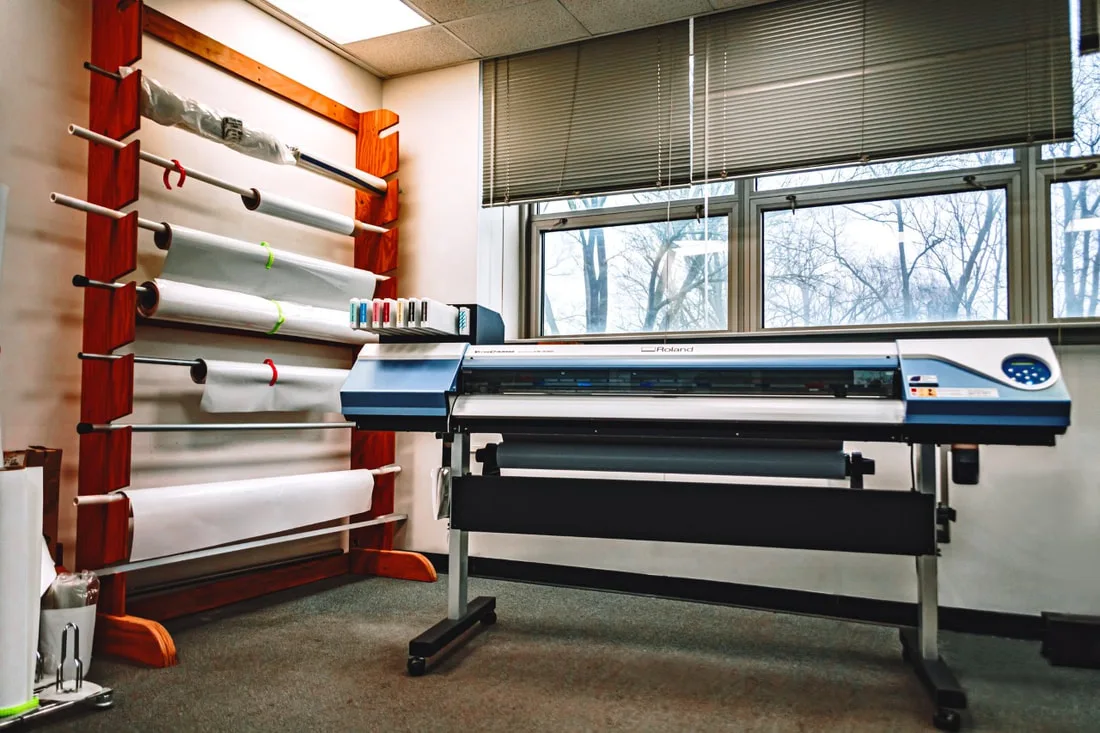
This CTE provides students with an understanding of the processes and systems common to careers in publishing, printing, and other forms of media distribution. Competencies include graphic design concepts; art and copy preparation; image generation and editing; desktop publishing; on-demand publishing; school yearbook and magazine layout; advertising and promotion; printing technology; binding and finishing. Students will grow individually, participate in groups, think analytically, create artistic products, and contribute to the production of campus graphic design and printing needs. Students will learn illustration design software such as Adobe Illustrator, Adobe Photoshop, and page layout software such as Adobe InDesign to create projects that will be printed in traditional and digital formats.
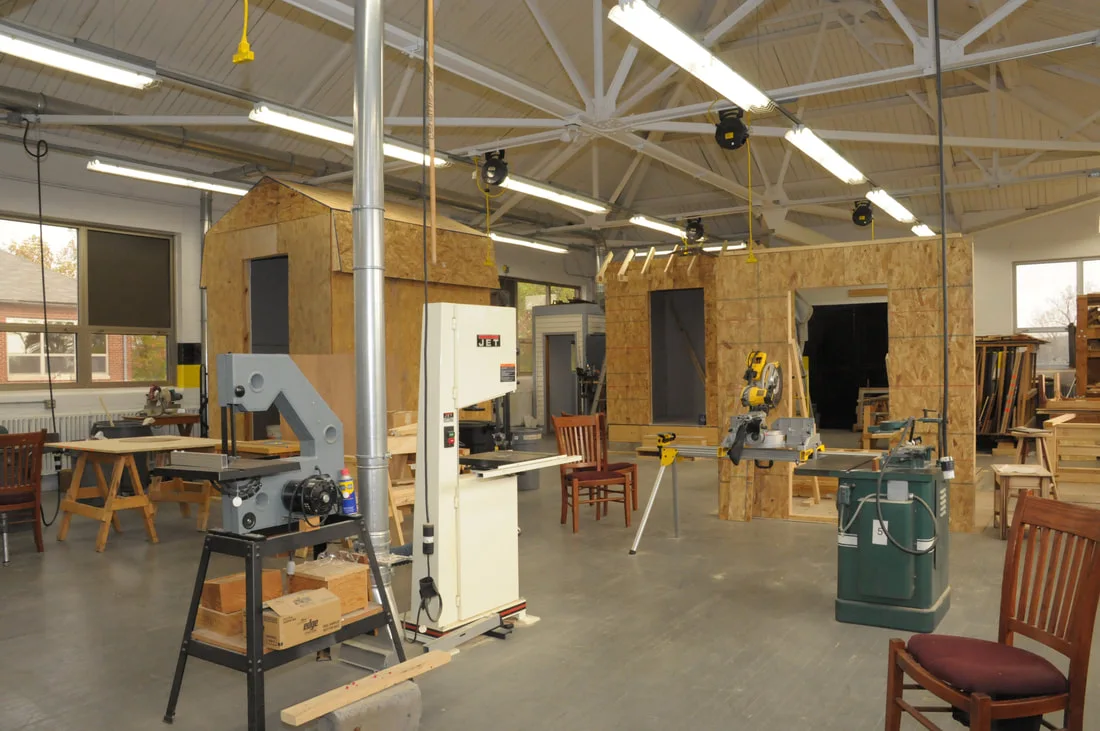
This CTE will prepares students for a career in the building trades through a combination of classroom theory and hands-on experience. Students gain experience using hand tools, portable power tools, and other equipment commonly used in carpentry along with using a variety of materials including lumber, panel products, roofing materials, fasteners and hardware. Students will develop the skills needed for rough framing, roof framing, and exterior and interior finish work.
In our Web Design CTE, students will use a variety of design software to organize, create, publish, and manage a web site. Course content includes creating a variety of graphic elements including video, animations, rollover effects, backgrounds, and page images.
Our Golf Course Management program combines studies of horticulture, management, business and grounds operations. Topics include:
As part of our meaningful systems of rewards, students have the opportunity to join a number of clubs while enrolled at The Clock Tower Schools. Clubs do not follow the curriculum of competency-based CTEs, but are instead project-based learning opportunities. Students are able to join and switch clubs in order to sample potential career and technical interests. We recognize that not all students have had equitable access to extracurricular activities at home. This is an opportunity for students to discover what they like, what they might be good at, and perhaps take those interests and skills to a higher level of exploration within our competency-based CTE curriculum.
Clubs Available: